
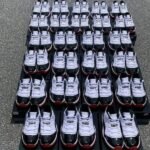
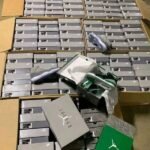
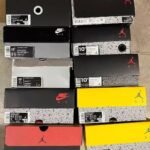
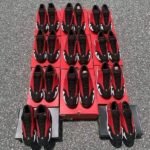
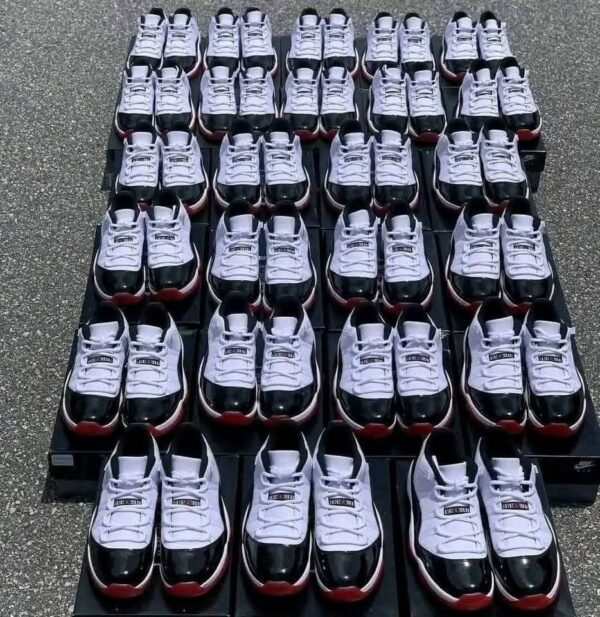
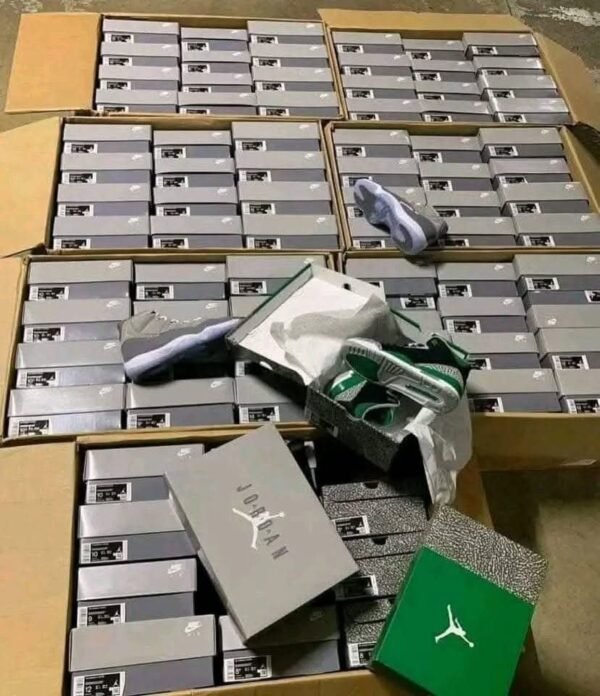
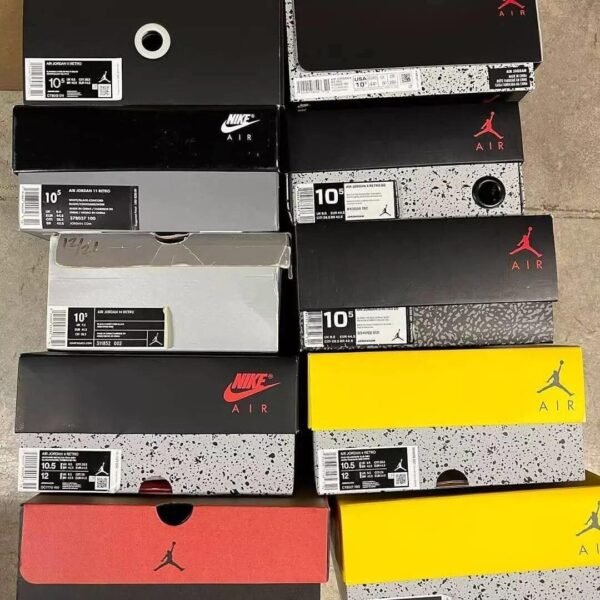
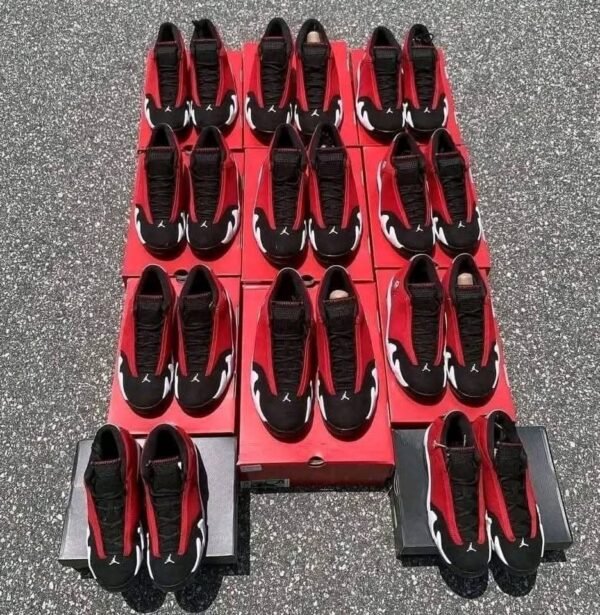
Jordan Shoe Pallets Wholesale – High-Demand Footwear for Resellers
Air Jordans consistently rank among the most-searched-for and most-resold sneakers worldwide. For resellers, the opportunity is simple: high demand, strong brand recognition, and a proven resale culture. The challenge is sourcing inventory the right way—because the sneaker space is also one of the most counterfeit-heavy categories.
Industry projections commonly estimate the sneaker resale market could reach $30B by 2030, and the broader sneaker market is projected to continue growing through the decade.
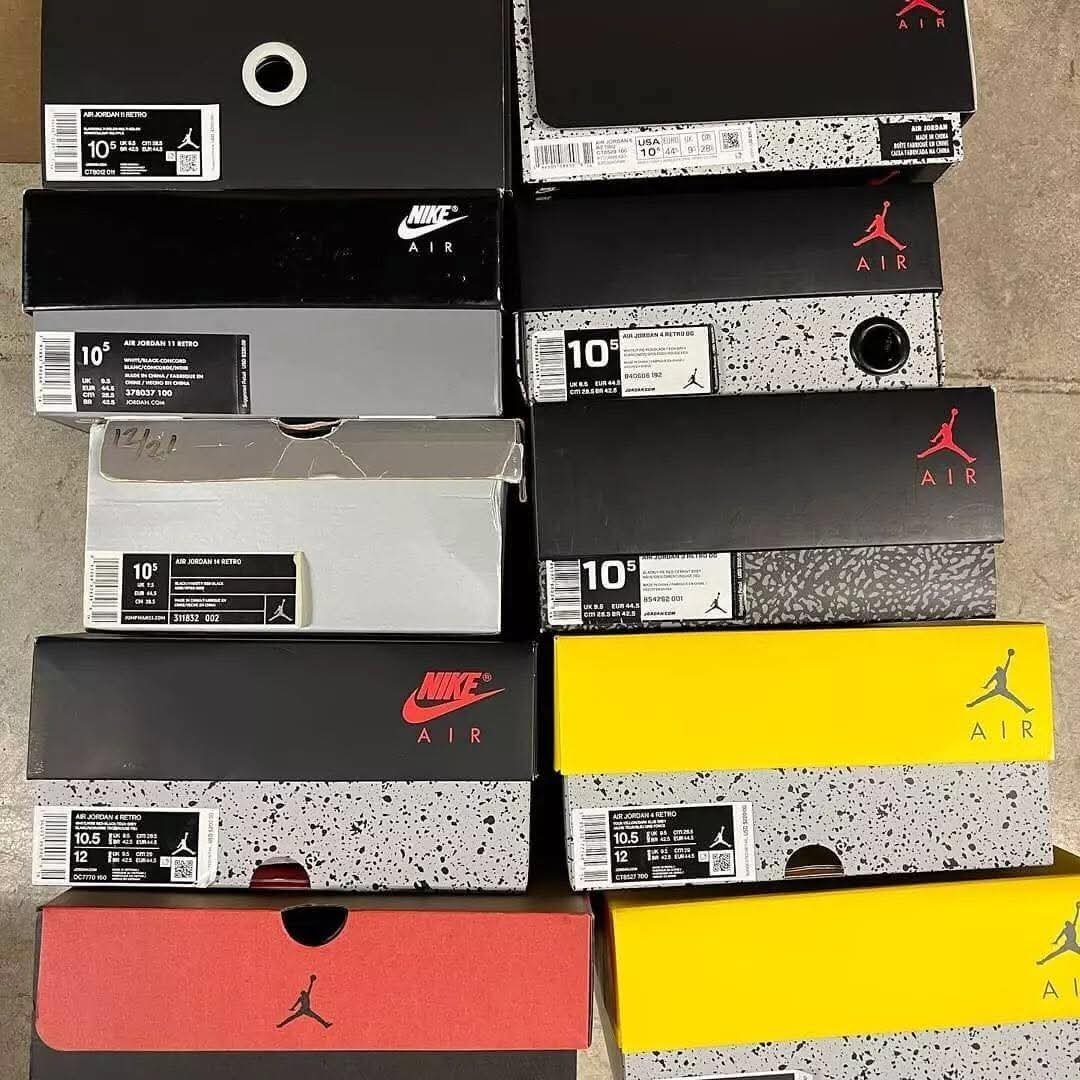
Important: All Jordan shoes liquidation pallets are sold as-is, where-is. Exact models, sizes, colorways, and packaging may vary unless explicitly stated.
Why Jordan-Included Pallets Can Be a Strong Resale Play
Bulk Pricing Advantage
Buying footwear in bulk can lower your per-pair cost and support healthier margins—especially when you sort, clean, and list strategically.
Consistent Buyer Demand
Jordan-branded sneakers have a built-in audience (collectors, casual buyers, athletes, streetwear), which supports repeat sales across platforms.
Variety = Wider Market
Mixed pallets typically include multiple sizes and styles, allowing you to sell to more buyers and reduce dependency on one model.
Where These Pallets Usually Come From
Most Jordan pairs found in wholesale liquidation are typically sourced through:
-
customer returns and shelf pulls
-
overstock and closeouts
-
surplus and liquidation channels via established resellers
What matters most isn’t the story—it’s supplier transparency (photos, clear policies, and consistent fulfillment standards).
Understanding Conditions Before You Buy
Footwear pallets often include mixed conditions, such as:
-
new/unused
-
open-box
-
customer returns (may show light wear)
-
packaging variations (boxes may be missing or damaged)
The fastest way to avoid disputes is to list clear condition expectations on your product page and confirm how your supplier labels each lot.
Authenticity: How Smart Resellers Reduce Risk
Because Jordans are heavily counterfeited, your success depends on controlling authenticity risk:
-
Buy from transparent suppliers (with real photos, a clear refund/claims process, and a consistent business footprint).
-
Avoid “too good to be true” pricing—that’s a common counterfeit signal.
-
Budget for verification on high-value pairs (manual checks or third-party authentication for premium models).
-
Document everything: intake photos, SKU tags, box labels, and buyer communications.
If your business model is resale, protecting your reputation matters more than a “cheap pallet.”
Best Channels to Resell Jordan Footwear
Many resellers move inventory through:
-
sneaker marketplaces (where available)
-
eBay and similar platforms (often for higher-value pairs)
-
local resale (marketplaces, consignment, pop-ups)
-
your own store (Shopify/WooCommerce) for brand control
The most consistent operators sort inventory into:
-
“ready to list” pairs,
-
“clean/restore,”
-
“parts/clearance.”
Who These Pallets Are Best For
-
e-commerce sneaker sellers
-
footwear stores and boutiques
-
flea market / pop-up resellers
-
exporters and bulk distributors
-
buyers building a mixed sneaker catalog
Final Word: The Opportunity Is Real—If You Source Smart
Jordan footwear can be profitable, but the market rewards sellers who operate like professionals: transparent sourcing, honest condition grading, and careful verification. If you do that, you can build repeat buyers and scale safely.
📦Inventory varies by lot. Buy with clear expectations and a plan to sort + verify.

Reviews
There are no reviews yet.